
Top strategies for beating the odds in gambling
The allure of chance and risk
The appeal of casinos lies deeply within human psychology, primarily fueled by the thrill of chance and the allure of risk. People are naturally drawn to experiences that evoke strong emotions, and the unpredictable nature of gambling provides just that. This uncertainty sparks excitement, making players feel alive and engaged. Many enthusiasts often seek out the best betting sites australia to enhance their gaming experience. The prospect of winning big against the odds creates an irresistible allure, encouraging individuals to participate even when they are fully aware of the potential for significant loss. The casino environment is crafted to amplify these feelings, ensuring that players are enveloped in a space where risk-taking is celebrated rather than criticized.
This sense of risk is closely tied to the psychology of reward. The anticipation of winning, however unlikely, triggers the release of dopamine in the brain, a neurotransmitter associated with pleasure and satisfaction. This chemical response reinforces the behavior, making individuals more likely to return to the gaming floor in hopes of replicating that euphoric feeling. The thrill of chance can thus become an addictive loop, where players repeatedly engage in gameplay to chase the high of a possible win. It is this interplay between anticipation and reward that makes gambling a compelling activity for many.
Moreover, casinos design their environments strategically to enhance this psychological engagement. The use of vibrant colors, stimulating sounds, and sensory experiences aims to keep players immersed in the gambling process. For instance, the flashing lights of slot machines, the sound of coins clinking, and the fragrant aromas wafting through the air all serve to create an atmosphere of excitement and possibility. The psychological manipulation of the environment transforms a simple game into a captivating experience, leading to longer visits and, consequently, higher spending. It is this careful orchestration of sensory experiences that plays a crucial role in the overall success of casinos.
The role of social interaction
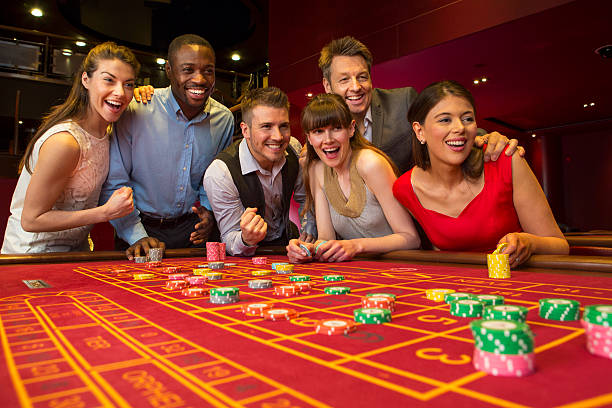
Social interaction is another critical factor driving the success of casinos. Gambling often serves as a communal activity where individuals can share experiences, whether through gaming or simply enjoying the vibrant atmosphere together. The collective excitement of a casino floor, where players cheer for wins or lament losses, fosters a sense of belonging. This camaraderie enhances the overall experience, making visitors more likely to return. The social aspect of gambling can be particularly appealing, as it goes beyond mere chance and taps into the fundamental human desire for connection and community.
Moreover, social validation plays a vital role in the gambling experience. Observing others winning can spur additional interest and confidence in players, leading them to believe they might be the next winner. This phenomenon is often seen in table games like poker or blackjack, where players can witness direct engagement and competition. The element of shared experience not only enhances enjoyment but also encourages additional play, further contributing to the success of casinos. The laughter, cheers, and collective reactions create a vibrant atmosphere that makes the gambling experience more memorable and enjoyable.

Additionally, casinos often host events, tournaments, and promotions, which serve to amplify social interaction. These gatherings foster a sense of community among players and promote loyalty to specific establishments. By leveraging social aspects, casinos create an inviting environment that transforms gambling from a solitary experience into a shared adventure, reinforcing customer retention and the overall success of the casino industry. The ability to connect with others in a dynamic environment enhances the overall appeal of casinos, making them popular destinations for socialization and entertainment.
The impact of behavioral economics
Behavioral economics significantly influences how individuals interact with casinos and make gambling decisions. Players often exhibit irrational behaviors, driven by emotions rather than logical thinking. For instance, individuals tend to overestimate their chances of winning after a series of losses—a phenomenon known as the “gambler’s fallacy.” This misperception can lead players to chase losses, resulting in increased spending and prolonged gambling sessions. The emotional rollercoaster of gambling can cloud judgment, pushing individuals to make decisions that are not in their best financial interest.
Additionally, the framing of outcomes significantly affects player behavior. For instance, presenting losses as “near wins” can trick players into believing they are closer to winning than they truly are. This psychological trickery is expertly employed in slot machines, where players frequently experience the illusion of winning through near misses. Such tactics encourage continuous play, even when the overall odds are stacked against them, showcasing how behavioral economics plays a crucial part in casino success. This manipulation of perception effectively keeps players engaged, often leading them to gamble more than they initially intended.
Furthermore, the concept of loss aversion presents another layer of understanding in gambling psychology. Players are generally more motivated to avoid losses than to acquire equivalent gains. This fear of losing can often lead to riskier decisions, as players may continue to bet in an effort to recover what they have lost. By understanding these behavioral tendencies, casinos can tailor their strategies to maximize player engagement and spending, further cementing their success within the industry. The ability to tap into these psychological triggers is pivotal for casinos aiming to create a compelling gaming experience.
The influence of marketing strategies
Marketing strategies in the casino industry are intricately designed, focusing on psychological triggers that entice customers. Promotions, loyalty programs, and bonuses are crafted to not only attract new players but also retain existing ones. For example, the allure of “free play” or “matching bonuses” plays on the principle of perceived value, encouraging players to gamble more than they originally intended. This approach activates the mental pathways associated with reward, driving increased spending. The strategic use of marketing can create a sense of urgency and excitement that compels players to take action.
Moreover, branding and advertising techniques leverage psychological principles to create an aspirational image for casinos. By presenting gambling as an opportunity for luxury and excitement, marketing campaigns cultivate a glamorous perception of the casino lifestyle. This lifestyle appeal can be particularly effective in attracting new visitors, especially those looking to escape from their daily routines. Additionally, promotional tactics often include limited-time offers or exclusive events, which tap into the fear of missing out, motivating players to engage more frequently. The carefully curated image of casinos as hubs of excitement and glamour plays a significant role in their ongoing success.
Another facet of marketing success is the use of data analytics to understand player behavior. By analyzing spending patterns and preferences, casinos can tailor promotions and offers specifically to individual customers. This personalized approach fosters a deeper connection with patrons and increases the likelihood that they will return. The confluence of thoughtful marketing strategies and psychological insights creates a powerful mechanism that drives the continuous success of casinos. By anticipating player needs and desires, casinos can create experiences that resonate on a personal level, enhancing customer loyalty and satisfaction.
The future of casino engagement
As digitalization continues to affect the landscape of the casino industry, understanding the psychology behind player engagement remains crucial. Online casinos and mobile gambling platforms have emerged, offering players the chance to engage from the comfort of their homes, thereby significantly altering traditional gambling behaviors. The success of these platforms often hinges on replicating the exhilarating experience of physical casinos, engaging players through vibrant graphics, interactive features, and social components. This shift necessitates an understanding of how to maintain emotional engagement in a virtual setting.
Moreover, advancements in technology, such as virtual reality and augmented reality, hold the potential to revolutionize the casino experience further. By creating immersive gaming environments, these technologies can heighten emotional engagement, drawing players into a world that feels more authentic. The psychological principles of chance, risk, and social interaction will continue to play a vital role in this evolution, ensuring that player engagement remains central to casino success in the digital age. The ability to create a sense of presence and community in virtual spaces will be essential for capturing and retaining player interest.
In this changing landscape, understanding customer behavior and preferences will be key for casinos aiming to thrive. Data analysis and consumer insights will inform the development of gaming experiences that align with modern expectations. As casinos adapt to the future of engagement, leveraging psychology to enhance player experiences will remain paramount to sustaining success in an increasingly competitive environment. The integration of technology and psychology will be the cornerstone of future strategies, ensuring that casinos remain relevant and appealing in a rapidly evolving market.
