
Exploring the psychology behind casino games
The Allure of Gambling: Understanding Motivations
The draw of casino games can be attributed to a variety of psychological motivations that influence individuals to engage in gambling. One of the primary reasons many people are attracted to casinos is the thrill of uncertainty. The unpredictable outcome of games like slots and poker stimulates the reward centers of the brain, leading to feelings of excitement and exhilaration. This rush can create a compelling desire to continue playing, as the potential for winning becomes intertwined with the enjoyment of the game itself. Players often seek that euphoric rush, and for some, exploring australia online casino options can lead them to return to the casino time and again.
Additionally, addiction to gambling can stem from various factors, including social influences and the desire for escapism. Many individuals seek to escape the stresses of daily life, turning to casino games as a form of entertainment that allows for a temporary reprieve from reality. The social environment of casinos also plays a crucial role; the camaraderie built among players can offer a sense of belonging, heightening the enjoyment and increasing the likelihood of repeat visits. It is this blend of socialization and thrill that creates a unique atmosphere, drawing in diverse groups of people with different motivations.
Moreover, the concept of risk-taking behavior significantly influences the appeal of casino games. For some, the inherent risk associated with betting can be exhilarating, providing an opportunity to confront fears and push personal boundaries. This thrill-seeking behavior is often linked to personality traits such as impulsivity and low sensation-seeking, which can lead individuals to take greater risks than they might in other areas of their lives. By examining these motivations, we can better comprehend why casino games attract such a diverse audience and how various factors interplay to shape individual experiences in gambling.
The Role of Cognitive Biases in Gambling
Cognitive biases play a significant role in how individuals perceive their chances of winning in casino games. One prevalent bias is the illusion of control, where players believe they can influence the outcome of random events. For instance, many poker players may assume their skill can turn the tides in their favor, despite the game’s inherent unpredictability. This misconception can lead to overconfidence, causing players to wager more than they should, as they are convinced they possess a “lucky skill” that other players do not. Such a mindset can have detrimental effects on their financial well-being.
Another cognitive bias that influences gambling behavior is the gambler’s fallacy, the mistaken belief that past outcomes affect future probabilities. Players might think that after a series of losses, a win is “due” or that they are more likely to win after several consecutive wins. This fallacy can drive individuals to continue gambling in hopes of reversing a losing streak or capitalizing on perceived winning momentum, often leading to further losses and financial strain. These biases can create a cycle where individuals feel compelled to keep playing, despite mounting evidence that their beliefs may not align with reality.
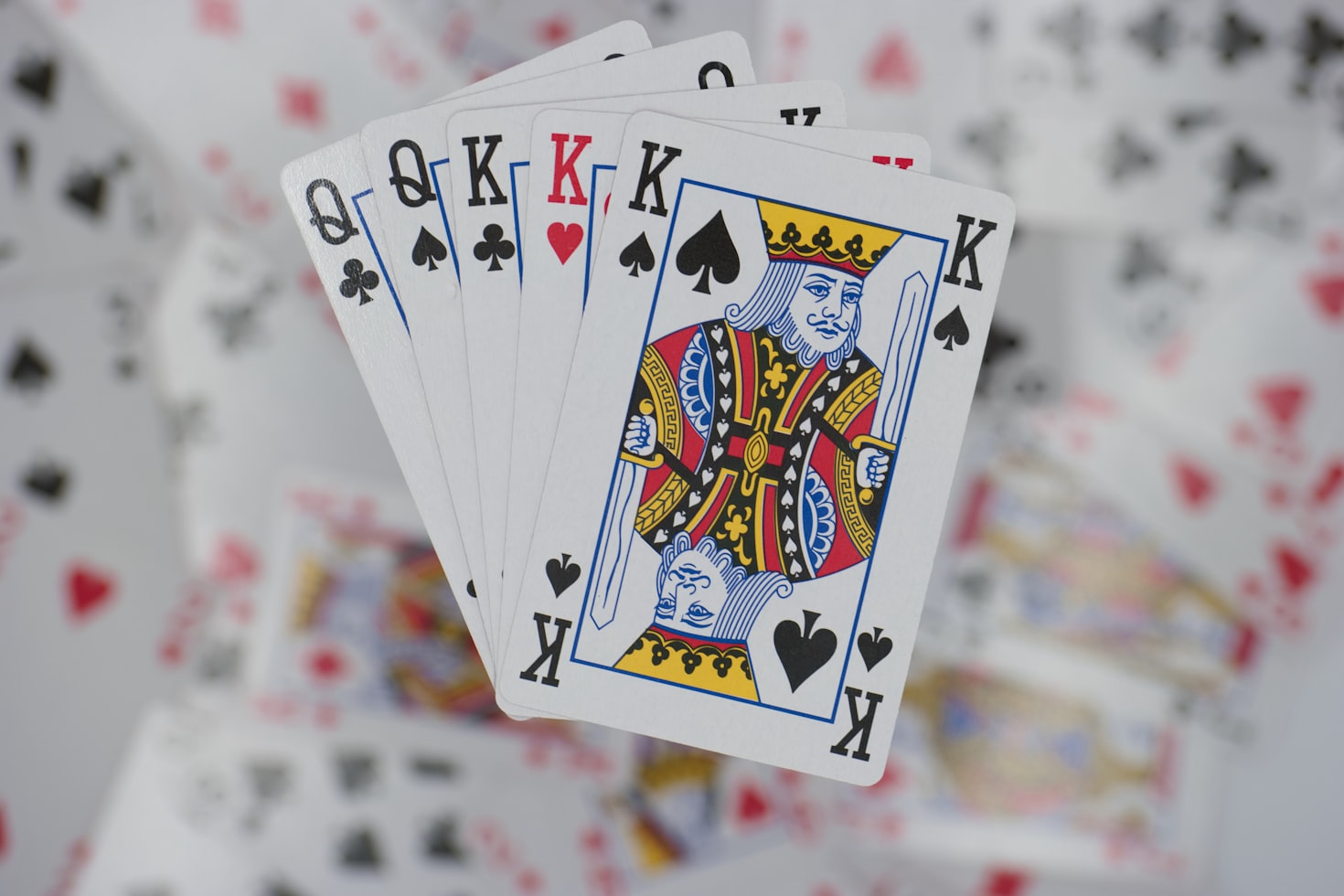
Additionally, the reinforcement schedules used in casino games can exacerbate these cognitive biases. The intermittent rewards provided by slots and table games create a cycle of reinforcement that can lead to addictive behaviors. Players may recall their past wins more vividly than their losses, further skewing their perception of the overall odds. This discrepancy can keep individuals engaged in gambling, as they are more likely to chase after the next win, believing it to be just around the corner. Understanding these biases is essential for recognizing the psychological traps many gamblers fall into, which can help foster more responsible gaming practices.
Psychological Effects of Casino Environments
The design and atmosphere of casinos are meticulously crafted to elicit specific psychological responses from players. From vibrant colors to engaging sounds, every element is strategically chosen to create an immersive experience that captivates players’ attention. The absence of clocks and windows creates a disoriented sense of time, encouraging prolonged gaming sessions without players realizing how much time has passed. This strategic manipulation of the environment can make it easy for gamblers to lose track of their spending and time commitment, often leading them to gamble for longer periods than they initially intended.
Moreover, the psychology of winning plays a pivotal role in shaping the casino experience. The use of celebratory sounds and visuals when players win, even small amounts, can lead to a heightened emotional response. This positive reinforcement reinforces the desire to continue playing, as players associate the game with pleasurable feelings. The constant barrage of visual and auditory stimuli keeps players engaged, creating an atmosphere that feels rewarding and invigorating. This design strategy aims to create a feedback loop where players feel compelled to keep playing, thereby increasing the casino’s overall profitability.
Lastly, the social dynamics at play within casinos contribute to the overall psychological effect on players. The presence of other gamblers can elicit a sense of competition and community, amplifying emotions during gameplay. Group dynamics can influence individual betting behavior, with players often mirroring the actions of others. This social validation can further entrench gambling behaviors, making it easier for individuals to justify their participation in games and their associated risk-taking behaviors. As a result, understanding these social interactions is crucial for grasping how environments can shape gambling habits.
The Impact of Risk and Reward on Decision Making
The psychological concepts of risk and reward are deeply embedded in the decision-making processes of gamblers. The thrill associated with taking risks can trigger dopamine releases in the brain, a neurotransmitter linked to pleasure and reward. This chemical reaction can lead players to seek out high-stakes gaming experiences, where the potential rewards are substantial, but so too are the risks. Understanding this relationship helps explain why individuals may gamble despite knowing the odds are against them. The lure of potential winnings often overshadows rational considerations, prompting impulsive decisions.

Furthermore, the perceived value of potential rewards can significantly influence betting behavior. Players often base their decisions on the size of possible winnings rather than the likelihood of actually achieving those wins. This misjudgment can lead to escalating bets and increased financial risk, as players chase after what they perceive to be a lucrative opportunity. The allure of hitting a big jackpot can overshadow rational decision-making, creating a cycle of gambling that can be hard to break. By framing their choices around potential rewards, players can easily fall into a trap of unrealistic expectations.
The disparity between actual outcomes and perceived outcomes in gambling can also contribute to dangerous patterns of behavior. When players experience occasional wins, they may anchor their expectations to these results rather than adopting a more realistic view of the odds. This bias can lead to progressively risky behavior, as players falsely believe they are on the verge of consistent success. By recognizing the impact of risk and reward on decision-making, we can better understand the psychological mechanisms that drive gambling behavior and help promote healthier gaming habits.
Conclusion: Understanding Casino Psychology for Better Choices
Understanding the psychology behind casino games is essential for both players and the industry alike. Awareness of the intrinsic motivations, cognitive biases, environmental factors, and risk-reward dynamics can empower individuals to make informed decisions regarding their gambling habits. By acknowledging the various psychological elements at play, players can better evaluate their own behaviors and avoid falling into patterns of addiction or reckless gambling. This understanding can be a powerful tool for fostering responsible gaming practices.
Additionally, for those in the industry, leveraging an understanding of psychology can enhance the gaming experience for players, ensuring that it remains enjoyable and responsible. The nuances of casino psychology can help operators design games and environments that promote healthier gambling behaviors, ultimately benefiting both players and the industry in the long run. By prioritizing player well-being, the industry can create a more sustainable gaming environment.
Ultimately, exploring the psychology behind casino games opens a window into the complex motivations and behaviors that drive individuals to gamble. By fostering a deeper understanding of these psychological aspects, we can contribute to a more sustainable and responsible gambling culture, ensuring that the thrill of gaming remains a source of enjoyment rather than a path toward negative outcomes. With informed choices, players can enjoy the entertainment value of casino games while maintaining control over their gambling activities.
