
Roulette Strategy Predictors Fake: What to Weigh Before You Play
Most punters chasing a reliable edge end up chasing ghosts, and the tools selling certainty are usually the first thing to check. If you have ever typed roulette strategy predictors fake into a search bar, you have probably seen enough polished dashboards to fill an arvo. Australian adults should treat those claims like a noisy tip-off at a busy pub: interesting, but not bankable. The real work is weighing what a platform actually does with your money, your time, and your patience before you tap golden bet log in and sit down at a wheel.
The Hard Truth About Predictor Tools
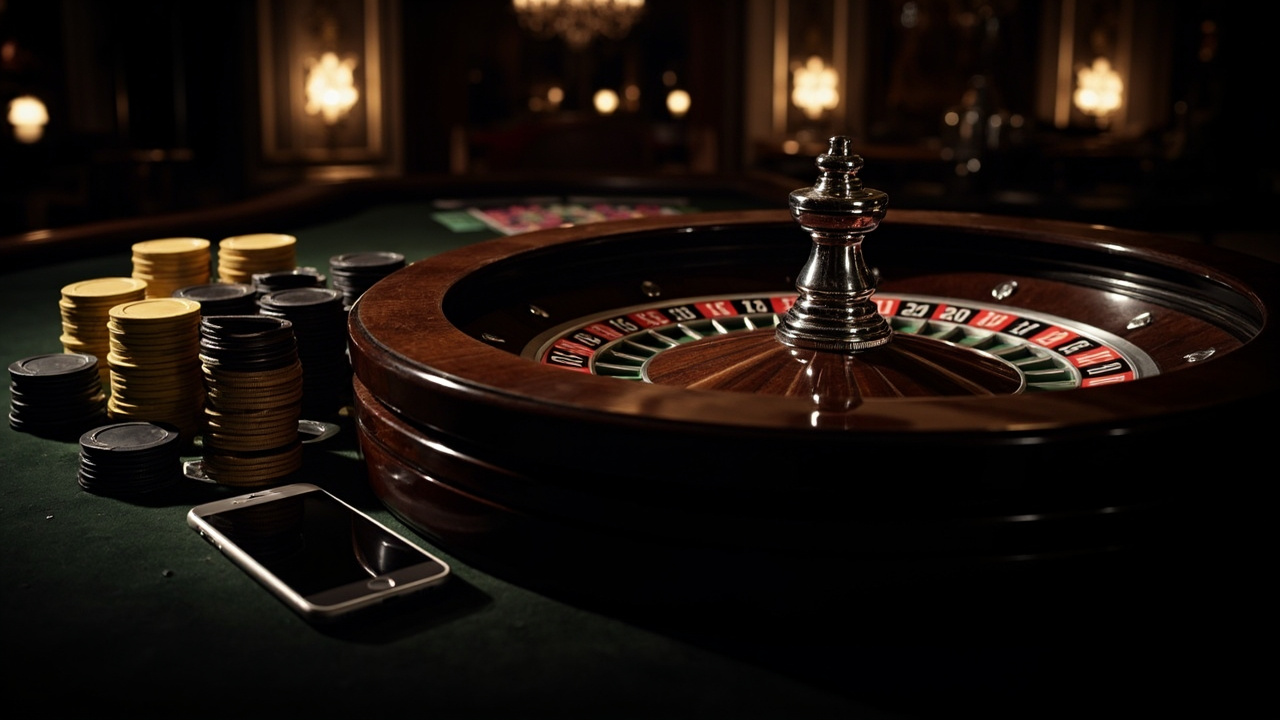
The pitch always sounds tidy: scanned thousands of spins, mapped dealer signatures, and spat out a staking plan that bends the house edge your way. Real roulette does not work like that on a licensed wheel, and any app pretending otherwise is selling a story, not a signal. I have spent years building automated sports workflows and exchange APIs, and the discipline that matters here is the same one separates Olympic training from a weekend jog – data discipline, not data theatre. A predictor that cannot tell you how it handles variance, sample size, or table limits is just a colourful interface over a coin flip.
That is why the first question is not which tool to buy, but what problem you are actually trying to solve. If you want entertainment with a side of structure, a simple staking rule and a hard stop-loss will do more for your bankroll than a dashboard full of simulated signals. If you want an edge, the honest answer is that roulette is a negative-expectation game on standard wheels, and no app changes that math without changing the game itself. Treat the software as a pacing tool, not a prophet.
What to Weigh Before You Trust Any Platform
How the Signals Are Built
A credible tool should explain its inputs plainly: which tables it watches, how many rounds it samples, and what it does when the data gets noisy. Most fake predictors hide the hard part – they cherry-pick a short run, label it a pattern, and move on. Harrison Smith, Independent iGaming Expert, Brighton Beach Betting Lab, puts it bluntly: “A predictor that cannot show its sample window and its false-positive rate is a marketing page, not a model.” If the site talks about “AI-driven accuracy” without naming the metric, assume it is dressing up hindsight as foresight.
That matters because dissociation – the mental drift some machine players feel when the screen takes over – can sneak into wheel play too. A slick predictor can make you feel like the numbers are organising themselves around you, which is a fast route to chasing. The discipline I learned building prediction-market infrastructure is the same one that keeps a workflow honest: log the result, log the reason, and let the record speak louder than the dashboard. golden bet log in
Where Your Money Actually Goes
Before you deposit, read the cashier like it is a contract. Check the payment methods, the currencies on offer, the per-transaction limits, and how long verification usually takes. A platform that lets you move money quickly but makes withdrawals drag through manual checks is telling you something about its priorities. The flow should be straightforward: register, verify, fund, play, and cash out without a maze of hidden steps. If the cashier feels like a puzzle, the rest of the experience usually does too.
You should also weigh how the bonus mechanics interact with your staking plan. A welcome offer that locks you into high wagering on slow-paying games can turn a modest session into a long grind. Look for terms that match the way you actually play, not the way the promo page hopes you will play. No platform is risk-free, and no bonus removes the edge, so treat any incentive as a small cushion, not a strategy.
The Reality Check You Need
A sensible predictor review starts with the maths and ends with the limits. Ask what happens when the wheel turns cold, when the table hits its max bet, and when your own stop-loss bites. If the tool cannot answer those questions without leaning on vague promises, walk away. The Packer story about paying off a boastful Texan’s mortgage to shut him up says more about poker-table folklore than it does about wheels, but the lesson fits: confident talk is cheap, and the house still keeps the edge.
That is where the comparison to Olympic discipline keeps coming back. Training for a final is not about finding a secret drill; it is about repeating the boring work under pressure, measuring the result, and adjusting without ego. The same standard applies here. If a predictor cannot survive a honest review of its sample, its variance, and its limits, it is not an edge – it is a distraction with a price tag.
Who This Is Actually Fit For
This approach suits a player who wants structure without illusion. If you are the sort who keeps a staking rule, logs results, and treats a session like a planned arvo out rather than a rescue mission, a predictor can work as a pacing aid. If you want a guaranteed path to profit, no honest tool exists, and no reputable operator will pretend otherwise. The fit comes down to patience, record-keeping, and a willingness to stop when the numbers say so.
| Detail | What to Check |
|---|---|
| Game mix | Standard roulette variants and the providers behind them |
| Bonus terms | Wagering, game weighting, and time limits |
| Payments | Methods, currencies, per-transaction limits, processing times |
| Registration | Identity checks, account steps, mobile access |
| Support | Response channels, hours, and how disputes are handled |
The platforms worth your time are the ones that make these details easy to find and hard to misunderstand. A clean cashier, plain terms, and a support team that answers in plain English matter more than a flashy signal screen. When you are ready to look at a specific operator, compare its actual limits and flow against the way you plan to play, not the way a promo page hopes you will play. No Australian should assume offshore play is licensed or regulated here, so treat every operator as a private business with its own rules and its own risks.
So here is the question I want you to take to the comments or drop on your mates: if a predictor tool could only give you one honest thing – a tighter stop-loss, a clearer log, or a faster cashier – which would actually change how you play, and which one would you still walk past?
